Stomach Bug Hydration Guide: What to Drink & What to Avoid
Few illnesses can disrupt daily life quite like a stomach bug. Whether it's the dreaded norovirus making its rounds through schools and offices, or a bout of food poisoning, the symptoms are notoriously unpleasant: nausea, vomiting, diarrhea, and abdominal cramps. Medically known as viral gastroenteritis, this common ailment leaves you feeling utterly depleted. While the good news is that most stomach bugs resolve within a few days, the crucial factor in managing your symptoms and supporting your recovery is often overlooked: proper hydration. In fact, among all the potential stomach bug remedies, staying adequately hydrated is arguably the most vital.
As Dr. Ali A. Khan, a board-certified gastroenterologist, emphasizes, symptoms like a fast heartbeat or lightheadedness are not just uncomfortable additions to your illness; they are direct consequences of dehydration, which can also worsen your existing stomach bug symptoms. Understanding what to drink, and equally important, what to avoid, can make a significant difference in how quickly and comfortably you recover.
Why Hydration is Non-Negotiable During a Stomach Bug
When your body is battling a stomach bug, you're losing fluids and vital electrolytes at an accelerated rate through vomiting and diarrhea. This rapid depletion can quickly lead to dehydration, a dangerous condition that further compromises your immune system and overall well-being. Dehydration doesn't just make you feel worse; it can lead to more serious complications, including electrolyte imbalances that affect heart function, muscle control, and brain activity.
Proper hydration helps your body in multiple ways:
- Replenishes Lost Fluids: Directly replaces the water lost through illness.
- Restores Electrolyte Balance: Sodium, potassium, and other minerals are critical for cellular function and nerve impulses.
- Supports Immune Function: A well-hydrated body is better equipped to fight off the viral or bacterial infection.
- Prevents Complications: Reduces the risk of severe dehydration, which can necessitate hospitalization.
The goal is not just to drink water, but to consume fluids that can be readily absorbed and contribute to electrolyte balance. It's also paramount to approach hydration strategically, especially when your stomach is sensitive. For more comprehensive relief beyond just hydration, explore Beat the Stomach Bug: Quick Remedies for Nausea & Diarrhea.
The Smart Sips: What to Drink When Your Stomach is Unsettled
When your stomach is in turmoil, every sip counts. The key is to introduce fluids slowly and consistently, rather than guzzling large amounts, which can trigger more nausea or vomiting. Think "tiny amounts very frequently," as advised by medical experts. Your ultimate goal should be clear urine, a reliable indicator of adequate hydration.
1. Water: The Foundation
Water remains the gold standard for hydration. Even when battling a stomach bug, plain water is essential for rehydrating your body at a cellular level. However, if you're experiencing significant vomiting or diarrhea, water alone won't be enough to replenish lost electrolytes. It's a vital component but often needs to be supplemented.
2. Oral Rehydration Solutions (ORS)
Considered the "gold standard" for electrolyte replacement, an Oral Rehydration Solution (ORS) is a precisely balanced mixture of water, salt, potassium, sugar, and bicarbonate. These solutions are designed for optimal absorption, ensuring your body effectively takes in the water and critical electrolytes it needs. You can purchase commercial ORS products like Pedialyte or make a homemade version following a reliable recipe. They are particularly beneficial for children and individuals experiencing severe fluid loss.
3. Clear Broths
Clear broths (chicken, vegetable, or beef) are an excellent choice. They not only provide essential sodium, which is often lost during illness, but also offer a comforting warmth that can be soothing to an upset stomach. Opt for low-sodium varieties if possible, and ensure they are free of solids or excessive fats that could aggravate your digestive system.
4. Sports Drinks (in Moderation)
While often marketed for exercise recovery, sports drinks like Gatorade or Powerade can be helpful for electrolyte replacement during a stomach bug. However, they typically contain high amounts of sugar, which can sometimes worsen diarrhea. If you choose a sports drink, consider diluting it with water (e.g., 50/50 ratio) to reduce the sugar concentration and make it easier on your stomach.
5. Diluted Juices
Certain fruit juices, such as apple or white grape juice, can be consumed, but it's crucial to dilute them with water. Undiluted juices are high in sugar, which can pull water into the intestines and potentially exacerbate diarrhea. Dilution makes them more tolerable and reduces this risk.
6. Ice Chips, Popsicles, and Italian Ice
When even sipping water feels impossible, ice chips, popsicles, or Italian ice can be invaluable, especially for children or those with extreme nausea. They allow you to consume tiny amounts of fluid very frequently, without overwhelming your stomach. The cool temperature can also be soothing. Choose varieties made with real fruit juice and avoid those with artificial sweeteners or excessive dyes.
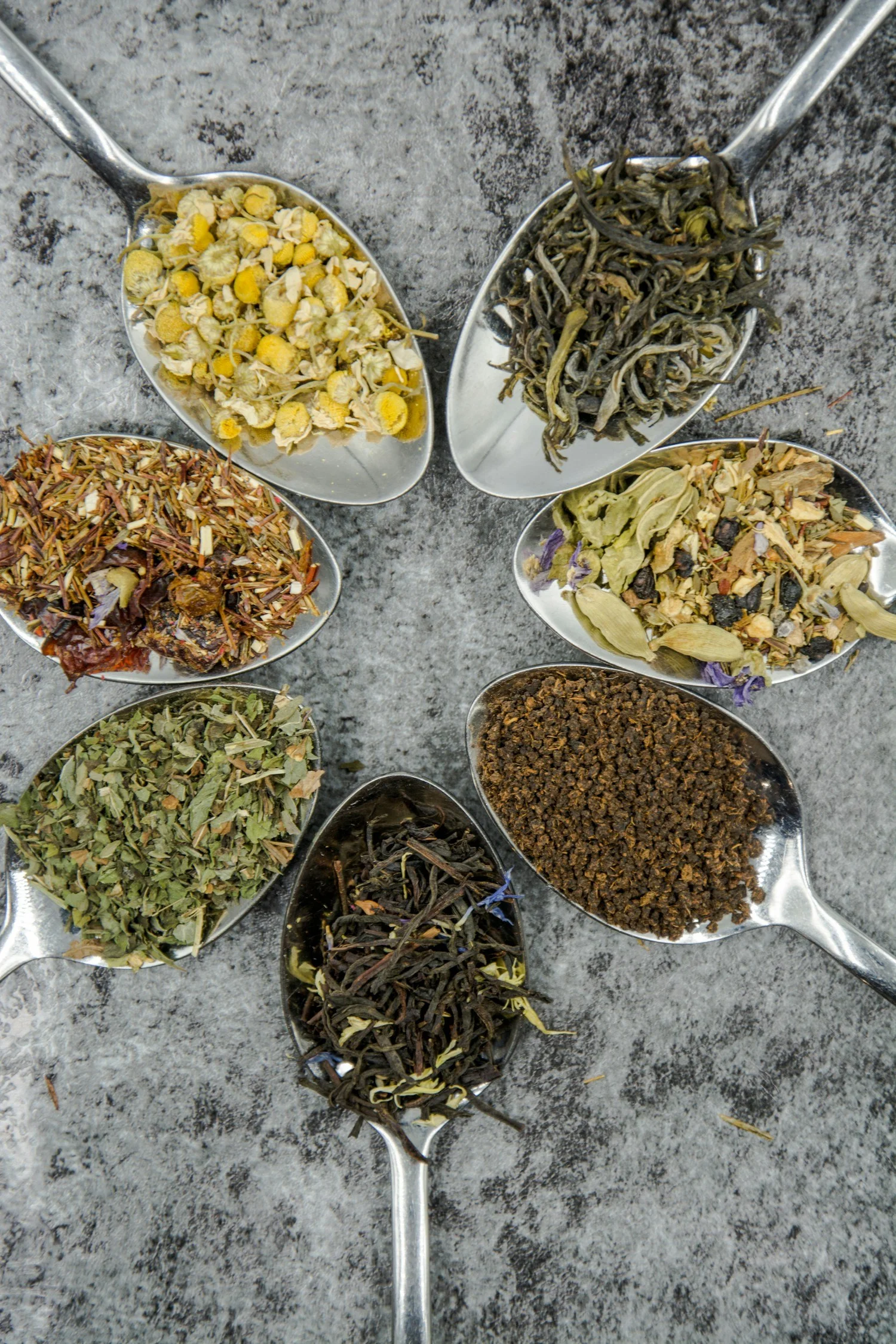
7. Herbal Teas
Beyond simple hydration, certain herbal teas offer additional soothing benefits. For example:
- Chamomile Tea: Known for its anti-inflammatory and antispasmodic properties, chamomile can help calm an upset stomach, reduce nausea, and alleviate cramping.
- Fennel Seed Tea: Fennel is a traditional remedy for digestive issues, particularly gas and stomach cramps that often accompany stomach bugs. To prepare, steep a teaspoon of crushed fennel seeds in boiling water for 10 minutes, then strain and sip.
These teas add fluid to your system while simultaneously addressing some of the most uncomfortable symptoms. To further soothe discomfort like nausea and cramps, delve into Home Remedies for Stomach Bugs: Soothe Nausea & Cramps.
8. Coconut Water
Natural coconut water is another option that contains natural electrolytes like potassium, sodium, and magnesium. Ensure you choose pure, unsweetened varieties to avoid added sugars that could irritate your system.
The No-Go Zone: Beverages to Strictly Avoid
Just as important as knowing what to drink is understanding which beverages can actively worsen your condition and prolong your recovery. These fluids are counterproductive to your stomach bug remedies efforts:
- Alcohol: This is a powerful diuretic, meaning it increases urine production and accelerates fluid loss, severely worsening dehydration. It also irritates the digestive lining, making symptoms much worse.
- Caffeine: Found in coffee, black tea, energy drinks, and some sodas, caffeine is also a diuretic. It will further dehydrate you and can interfere with much-needed sleep. Moreover, caffeine can stimulate bowel movements, potentially exacerbating diarrhea.
- Dairy Products: Milk, milkshakes, creamers, and even some yogurts contain lactose, a sugar that can be very difficult for a compromised digestive system to break down. This can lead to increased gas, bloating, cramps, and diarrhea. It's best to avoid dairy until your stomach has fully recovered.
- Flat Soda: Contrary to popular belief, flat soda is not a good remedy. Dr. Khan points out that it "would not provide adequate fluid or electrolyte replacement." While it might seem appealing due to its lack of fizz, its high sugar content and absence of essential electrolytes make it an ineffective and potentially harmful choice.
- Highly Sugary Drinks: Beyond specific sodas, any beverage excessively high in sugar can pull water into the intestines, worsening diarrhea. This includes many fruit nectars and heavily sweetened commercial beverages.
Practical Tips for Hydration During a Stomach Bug
- Listen to Your Body: If a particular drink makes you feel worse, stop consuming it. Everyone's tolerance during illness can vary.
- Start Small, Sip Slow: Begin with very small sips (e.g., a tablespoon every 10-15 minutes) and gradually increase the amount as your stomach tolerates it.
- Cool, Not Cold: Many find that cool or room-temperature liquids are easier to keep down than very cold ones.
- Monitor Urine Color: This is your best indicator. Clear or very pale yellow urine means you're well-hydrated. Darker urine suggests you need to increase your fluid intake.
- For Children and Infants: Focus on oral rehydration solutions. If breastfeeding, continue as usual, as breast milk provides antibodies and hydration. Consult a pediatrician for specific guidance on infant hydration during illness.
- When to Seek Medical Help: If you show signs of severe dehydration (e.g., dizziness, confusion, infrequent urination, extreme thirst, sunken eyes), cannot keep any fluids down, or your symptoms persist for more than a few days, it's crucial to contact a doctor.
Battling a stomach bug is certainly no fun, but armed with the right knowledge about hydration, you can significantly ease your symptoms and accelerate your recovery. Prioritize clear, electrolyte-rich fluids, sip them slowly and consistently, and know which beverages to steer clear of. Coupled with adequate rest and a bland diet once tolerated, proper hydration is one of the most effective stomach bug remedies to help you get back on your feet faster. Stay vigilant, stay hydrated, and give your body the best chance to heal.